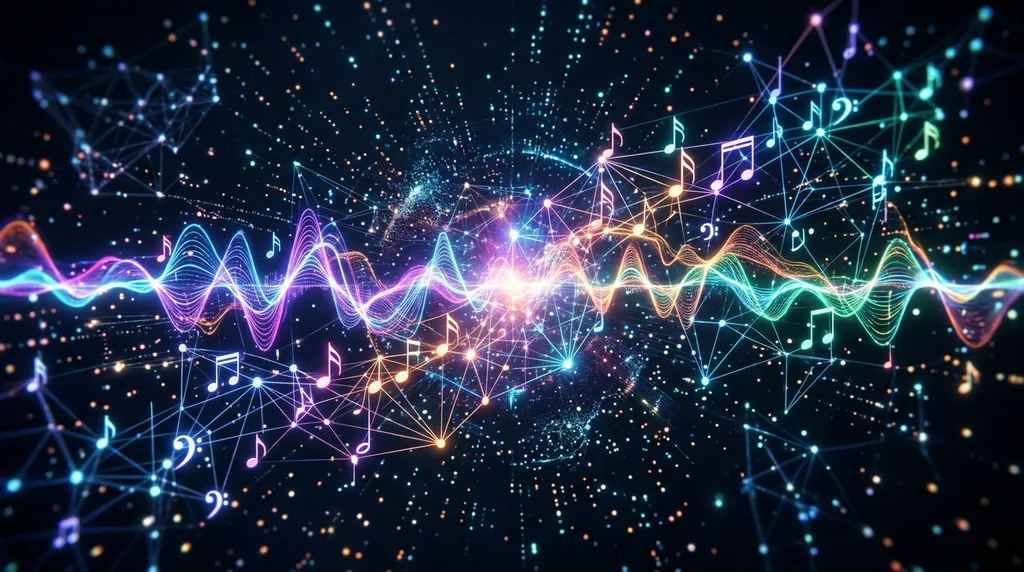
AI Music Discovery: How Artificial Intelligence Is Changing the Way We Find New Music
AI music discovery uses machine learning, audio analysis, and behavioral data to surface personalized song recommendations, helping listeners find new artists and genres faster than ever before.
AI Music Discovery: How Artificial Intelligence Is Changing the Way We Find New Music
Finding the perfect song used to mean flipping through radio stations, trusting a friend's mixtape, or spending hours digging through record bins. Today, artificial intelligence has fundamentally transformed that experience. AI music discovery tools analyze your listening habits, emotional context, and even the acoustic fingerprint of songs to surface tracks you might never have stumbled upon on your own. Whether you are a casual listener or a dedicated audiophile, understanding how these systems work can help you get far more out of them.
In this guide, we break down the core technologies behind AI music discovery, explain how major platforms use them, share strategies for getting better recommendations, and look at where this technology is heading next.
What Is AI Music Discovery?
AI music discovery refers to the use of machine learning algorithms and data science techniques to help listeners find songs, artists, and genres they are likely to enjoy. Rather than relying on a human curator or a simple popularity chart, these systems learn from vast amounts of behavioral and audio data to make personalized suggestions.
At the heart of most discovery engines are two foundational approaches: collaborative filtering and content-based filtering. Collaborative filtering looks at what users with similar tastes have listened to and recommends tracks that those listeners loved but you have not heard yet. Content-based filtering goes deeper into the music itself, examining tempo, key, instrumentation, vocal timbre, and energy level to find songs that share qualities with tracks you already enjoy.
Modern platforms combine both methods in what researchers call a hybrid recommendation system, producing suggestions that feel both personally relevant and musically coherent.
How Major Streaming Platforms Use AI to Recommend Music
Spotify, Apple Music, YouTube Music, and Amazon Music each have their own flavor of AI-powered discovery, but they share common building blocks.
- Listening history analysis: Every skip, repeat, playlist save, and thumbs-up is logged and fed back into the model to refine future recommendations.
- Natural language processing (NLP): Algorithms scan blog posts, reviews, social media, and lyrics to understand how critics and fans describe artists, then use that language to map relationships between genres and moods.
- Audio feature extraction: Machines listen to raw audio files and extract dozens of measurable characteristics, from loudness and speechiness to danceability and acoustic complexity.
- Context signals: Time of day, device type, location, and even workout data from wearables can shift what the algorithm surfaces at any given moment.
Spotify's Discover Weekly playlist, for instance, refreshes every Monday using a blend of collaborative filtering and audio analysis. Apple Music's algorithm leans more heavily on editorial curation combined with machine learning, while YouTube Music factors in watch history and video engagement alongside pure audio signals.
The Role of Mood, Context, and Emotional Intelligence
One of the most exciting frontiers in AI music discovery is emotional and contextual awareness. Early recommendation engines were largely reactive, suggesting music based on what you had already played. New systems are becoming proactive, attempting to understand what you need to hear right now.
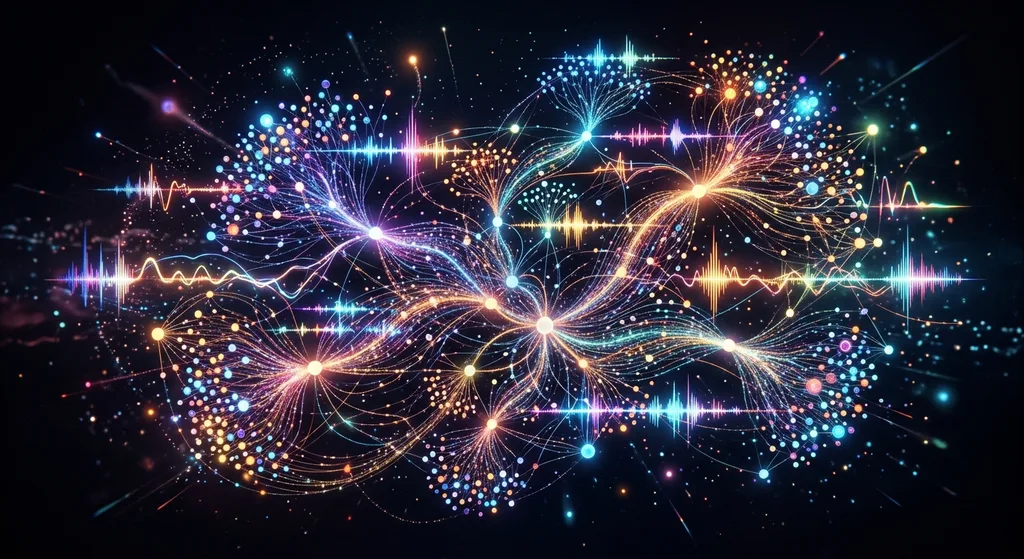
Mood-based discovery works by clustering songs along emotional axes, typically valence (how positive or negative a song feels) and arousal (how energizing or calming it is). When a platform detects through listening patterns that you tend to reach for high-energy tracks on weekday mornings, it can preemptively queue up an upbeat playlist before you even search for one.
Some experimental systems go further, incorporating biometric feedback from wearables to adjust playlists in real time based on heart rate, movement, or stress indicators. While these features are still emerging in mainstream products, they point toward a future where the algorithm genuinely adapts to your emotional state rather than just your listening history.
Context also extends to social signals. Shared playlists, concert check-ins, and social media activity all feed into a richer portrait of who you are as a listener, helping AI surface music that fits not just your ears but your lifestyle.
Tips for Getting Better AI Music Recommendations
AI discovery is only as good as the data you give it. Here are practical strategies to train your recommendation engine more effectively:
- Be an active listener: Use every feedback mechanism available. Skipping a track, liking a song, adding it to a playlist, or rating it all send strong signals that sharpen future suggestions.
- Diversify your starting points: Seed playlists with a range of artists rather than sticking to one genre. The algorithm maps relationships across the musical landscape, so wider input produces more adventurous output.
- Engage with new artist playlists: Most platforms generate artist radio or "fans also like" features. Spending even ten minutes exploring these weekly can dramatically expand your musical graph.
- Create separate playlists for different moods: Maintaining distinct playlists for focus work, exercise, and relaxation helps the AI understand your different listening contexts and tailor recommendations to each.
- Use discovery-specific features: Tools like Spotify's Discover Weekly, Apple Music's New Music Mix, or YouTube Music's Your Mixtape are purpose-built for discovery. Engage with them consistently rather than retreating to familiar favorites every session.
Independent and Niche Music Discovery Powered by AI
One of the most compelling promises of AI music discovery is its potential to democratize exposure for independent and niche artists. Traditional radio and editorial gatekeeping naturally favored well-funded acts with major label backing. Algorithmic systems, in theory, are blind to marketing budgets and industry relationships, surfacing tracks purely on the basis of musical fit.
Platforms like Bandcamp, SoundCloud, and various AI-powered radio tools have leaned into this promise, building recommendation layers that highlight emerging artists alongside established names. Some dedicated discovery apps use graph-based AI models that treat every song as a node connected to others by hundreds of musical and contextual attributes, making it easier to hop from a mainstream hit to a bedroom pop artist from a completely different country who shares the same sonic DNA.
For listeners, this means that genuinely exploratory listening is now more accessible than ever. You do not need to read dozens of music blogs or follow niche curators on social media to discover something truly fresh. The algorithm can do much of that exploratory work on your behalf, as long as you signal curiosity rather than comfort.
The Limitations and Ethical Questions Around AI Curation
AI music discovery is impressive, but it is not without flaws. Several important limitations and ethical concerns deserve attention.

Filter bubbles: The same personalization that makes recommendations feel relevant can also narrow your musical world over time. If the algorithm only reinforces what you already know you like, genuine discovery suffers. Many platforms are actively working to introduce what engineers call "serendipity scores" to intentionally inject unexpected suggestions.
Popularity bias: Despite the theoretical neutrality of algorithms, popular tracks still tend to get amplified because they generate more engagement data, which feeds back into the model. Truly obscure or experimental music can get buried even when it would be a perfect fit for certain listeners.
Artist compensation concerns: Algorithmic curation shapes which artists receive streams and therefore royalties. Critics argue that AI recommendation systems have enormous, largely unaccountable power over whose music gets heard and who earns a living from their craft.
Data privacy: The richness of AI recommendations depends on detailed behavioral data collection. Listeners should understand what data their streaming service collects and review privacy settings regularly.
The Future of AI Music Discovery
The pace of innovation in this space is accelerating. Several trends are shaping what AI music discovery will look like in the coming years:
- Generative AI integration: Some platforms are experimenting with AI that does not just recommend existing music but creates personalized transitional tracks or interludes between songs, blending discovery with generation.
- Multimodal discovery: Future systems may incorporate visual preferences, podcast listening habits, and even reading tastes to build a more holistic listener profile.
- Real-time collaborative playlisting: AI tools that allow groups of friends to merge their taste profiles and generate shared discovery playlists are already in early development at several startups.
- Deeper artist attribution: Advances in AI could make it possible to trace the specific influences behind a song, helping listeners discover the roots and relatives of tracks they love with much greater precision.
Conclusion
AI music discovery has moved far beyond simple "if you liked this, try that" logic. Today's systems weave together listening behavior, acoustic analysis, emotional context, and social signals to create increasingly personalized and adventurous musical journeys. By understanding how these algorithms work and actively engaging with them, you can transform your daily listening from a passive habit into a genuine voyage of discovery. The technology will keep evolving, but the joy of finding a song that feels like it was made just for you remains at the heart of it all.
Written by the Editorial Team
Frequently asked questions
How does AI music discovery actually work?
AI music discovery works by combining collaborative filtering, which compares your listening habits with those of similar users, and content-based filtering, which analyzes the acoustic features of songs. Most modern platforms use a hybrid of both methods along with contextual signals like time of day and device type.
Can AI discover niche or independent artists for me?
Yes, in principle AI recommendation systems are blind to marketing budgets and can surface independent artists whose music closely matches your taste. However, popularity bias in training data can sometimes make it harder for very obscure acts to break through, so exploring dedicated independent music platforms can complement mainstream streaming.
How can I improve the quality of my AI music recommendations?
Use every feedback mechanism your platform offers, including likes, skips, saves, and ratings. Diversify the artists you seed playlists with, engage regularly with discovery-specific features like Discover Weekly or New Music Mix, and create separate playlists for different moods or activities to give the algorithm more precise context.
Are there privacy concerns with AI music discovery?
AI recommendations depend on detailed behavioral data collection, including listening history, location, and sometimes biometric data from wearables. It is worth reviewing the privacy settings and data policies of any streaming service you use to understand exactly what information is collected and how it is used.
What is a filter bubble in the context of music discovery?
A filter bubble occurs when a recommendation algorithm becomes so focused on reinforcing your existing preferences that it stops introducing genuinely new music. Many platforms are working to counteract this by intentionally including unexpected or serendipitous suggestions alongside highly personalized picks.
Discussion
Join the conversation
Share your perspective and connect with other readers.