
Streaming Platform News: The Biggest Trends and Developments Shaping the Industry in 2025
From consolidation and pricing overhauls to live streaming growth and AI-powered tools, here is a comprehensive look at the biggest streaming platform news and trends shaping the industry in 2025.
Streaming Platform News: The Biggest Trends and Developments Shaping the Industry in 2025
The streaming industry never stands still. Mergers, pricing overhauls, exclusive content battles, and the rapid rise of live and interactive video are reshaping the landscape faster than ever. Whether you are a casual viewer trying to keep your subscription costs under control or a creator looking for the right platform to grow an audience, staying on top of streaming platform news is essential. This article breaks down the most important developments happening right now and what they mean for you.
Consolidation and Mergers Continue to Reshape the Market
One of the defining stories in streaming platform news throughout 2024 and into 2025 has been consolidation. Major media conglomerates are merging streaming arms, bundling services, and renegotiating content licensing agreements at a pace that can feel dizzying for ordinary subscribers.
The trend is straightforward to understand: the era of easy subscriber growth is over. Most households in developed markets already have at least one or two streaming subscriptions. To grow revenue, platforms are acquiring competitors, launching bundle deals, and folding sports, news, and live content into existing tiers. What this means practically is that the number of standalone services you need to pay for may actually shrink over the next two years, even as the amount of content within each bundle grows.
For viewers, consolidation can be a double-edged development. Fewer separate bills can feel like a relief, but library overlap and the quiet removal of niche content are common side effects when two catalogs are merged. Keeping a close eye on streaming platform news helps you catch those catalog changes before your favorite series disappears without warning.
Password Sharing Crackdowns and New Pricing Tiers
Password sharing restrictions rolled out aggressively in 2023 and 2024, and the ripple effects are still being felt. Platforms that introduced paid sharing options initially saw subscriber dips, but most reported net gains within a few quarters as former account sharers converted to paid plans or moved to cheaper ad-supported tiers.
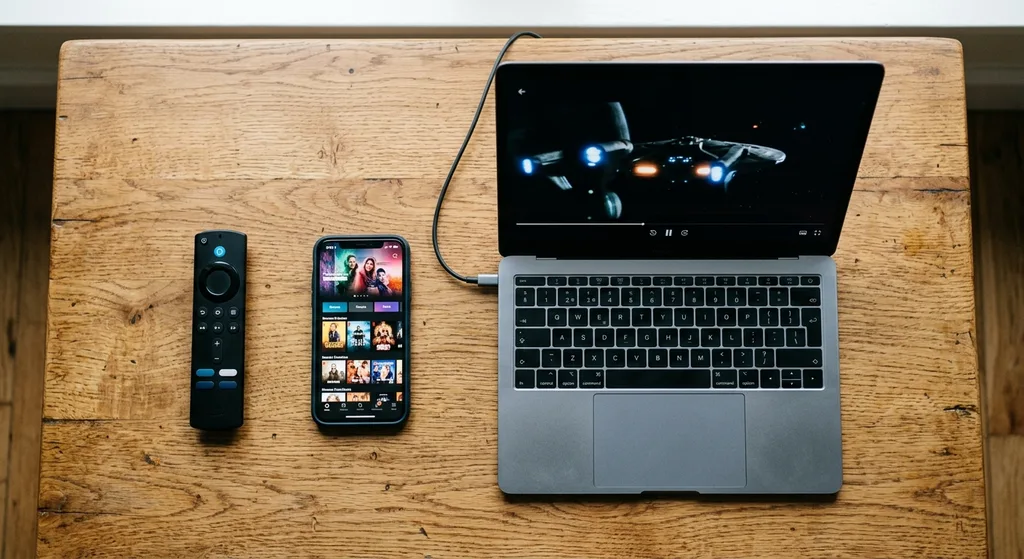
The result is a more segmented pricing landscape than we have ever seen before. A single platform may now offer four or five distinct tiers: a free, ad-heavy option; a standard ad-supported plan; a mid-range ad-free plan; a premium plan with higher resolution and more simultaneous streams; and sometimes an exclusive live or sports add-on tier. Understanding which tier fits your actual viewing habits is one of the most practical financial decisions you can make as a streaming consumer.
If you want a deeper breakdown of how to evaluate these options side by side, the guide on Best Streaming Platforms in 2025: How to Choose the Right Service for You walks through each major platform's pricing structure and strengths.
The Live Streaming Boom: Sports, Events, and Creator Content
Perhaps the most dramatic shift in current streaming platform news is the explosive growth of live content. For years, live television was seen as the one area traditional broadcast and cable held a firm advantage. That advantage is eroding fast.
Major streaming platforms have signed significant sports broadcasting deals, bringing NFL games, Premier League soccer, NBA matchups, and international sports events directly into streaming libraries. Simultaneously, live event streaming -- from music concerts to award shows to political debates -- is becoming a standard feature rather than a novelty.
But it is not just professional content driving the live streaming surge. Individual creators and small media companies are going live in record numbers. Platforms like Twitch, YouTube Live, and newer entrants are competing fiercely for creator loyalty with improved revenue-sharing programs, better discovery algorithms, and richer interactive tools like polls, co-streaming, and live gifting.
If you are a creator considering launching your own live stream, understanding the technical and strategic side of going live is critical. Our post on How to Stream: The Complete Beginner's Guide to Streaming Video, Music, and More covers the essentials to get started with confidence.
AI Is Changing How Content Is Made and Discovered
Artificial intelligence has moved from buzzword to genuine infrastructure across the streaming industry. AI is influencing the space in three major ways right now.
Content recommendation engines have become dramatically more sophisticated. Algorithms no longer rely simply on genre tags and watch history. They analyze viewing pace, rewatch behavior, time of day, and even how long a viewer hovers on a thumbnail before clicking -- or not. The result is a recommendation feed that can feel eerily accurate.
Content production is also being touched by AI tools. Studios are using AI for scriptwriting assistance, visual effects previsualization, dubbing into multiple languages, and even generating synthetic backgrounds and extras for crowd scenes. This is accelerating production schedules and reducing costs, which theoretically means more content for subscribers -- though it also raises legitimate questions about creative labor and quality.
Creator-side AI tools are arguably the most democratizing development. Streamers and independent video creators can now access AI-powered tools for noise cancellation, automatic captions, thumbnail generation, clip highlights, and even real-time background replacement. These capabilities, which once required expensive software or professional editors, are increasingly available for free or at low cost.
New Releases and Exclusivity Wars Heat Up
Exclusive content remains the primary battleground in streaming platform news. Every major platform is investing heavily in original programming, and the bidding wars for high-profile IP, filmmaker deals, and sports rights have reached new peaks.

For viewers, this exclusivity dynamic means you often need multiple subscriptions to follow the content you care about. A hit drama might be on one service, your favorite sports league on another, and the documentary series your friends keep recommending on a third. Tracking new releases across services has become a genuine chore.
Fortunately, aggregator tools and editorial guides can help. Our article on New Releases Streaming: Your Guide to Finding and Watching the Latest Content in 2025 outlines the best strategies for discovering and keeping track of fresh content across every major platform.
One trend worth watching: the window between theatrical release and streaming availability continues to collapse. Several major studios have experimented with simultaneous theatrical and streaming debuts, and while traditional theater chains have pushed back, the consumer appetite for at-home premiere access is real and growing.
Regulation and Data Privacy in the Spotlight
As streaming platforms grow into some of the most data-rich companies on the planet, regulatory scrutiny is intensifying. Governments in the European Union, United Kingdom, and United States are actively examining how streaming companies collect, store, and monetize viewer data. New rules around content moderation, algorithm transparency, and children's privacy are working their way through legislative pipelines in multiple jurisdictions.
For the average subscriber, the most visible impact of this regulatory environment is likely to be more prominent cookie and data consent prompts and more granular privacy controls inside platform settings. For creators, regulatory changes in specific markets can affect monetization eligibility and content guidelines, making it important to stay informed about the rules in each region where your audience lives.
What Comes Next for Streaming Platforms
The streaming industry in 2025 is defined by tension between growth and profitability. Platforms are under intense pressure from investors to convert massive content spending into sustainable revenue. The strategies they are pursuing -- tiered pricing, live content investment, AI-driven efficiency, and consolidation -- reflect that pressure.
For viewers, the near-term future likely brings more bundling options, a stronger emphasis on live and interactive content, and continued price increases offset by more granular tier choices. For creators, the opportunity has never been more open: the tools are more accessible, the platforms are more competitive for talent, and audiences are more willing than ever to engage with live and community-driven content.
Staying current on streaming platform news is not just trivia -- it directly shapes the decisions you make about where to spend your time and money, both as a viewer and as a creator building an audience in an increasingly competitive space.
Editorial Team
Frequently asked questions
Why do streaming platforms keep raising their prices?
Most major platforms have moved past their rapid subscriber-growth phase and are now focused on generating sustainable profit. Price increases, alongside ad-supported tiers and paid sharing options, are the primary ways platforms are improving revenue per user.
Is live streaming replacing traditional TV?
Live streaming is capturing a growing share of viewing time, especially for sports and events, but it has not fully replaced traditional broadcast TV. The two are increasingly competing directly, and that competition is accelerating as streaming platforms secure major sports rights deals.
How can I keep track of new releases across multiple streaming platforms?
Aggregator websites, app-based trackers, and curated editorial guides are the most reliable ways to monitor new releases across services. Setting up watchlists on individual platforms and following streaming news sources can also help you avoid missing content you care about.
What AI tools are streaming creators using in 2025?
Creators are using AI tools for noise cancellation, automatic closed captions, thumbnail generation, short-clip highlights, real-time background replacement, and audience engagement analytics. Many of these tools are available for free or through low-cost subscriptions.
Will streaming platforms continue to merge and consolidate?
Industry analysts widely expect consolidation to continue as platforms seek economies of scale and compete for a finite pool of subscriber spending. Bundle deals between complementary services are likely to become increasingly common over the next several years.
Discussion
Join the conversation
Share your perspective and connect with other readers.